Superfan to Burned Out: The Hidden Emotional Cost of Living Inside Someone Else's Stream
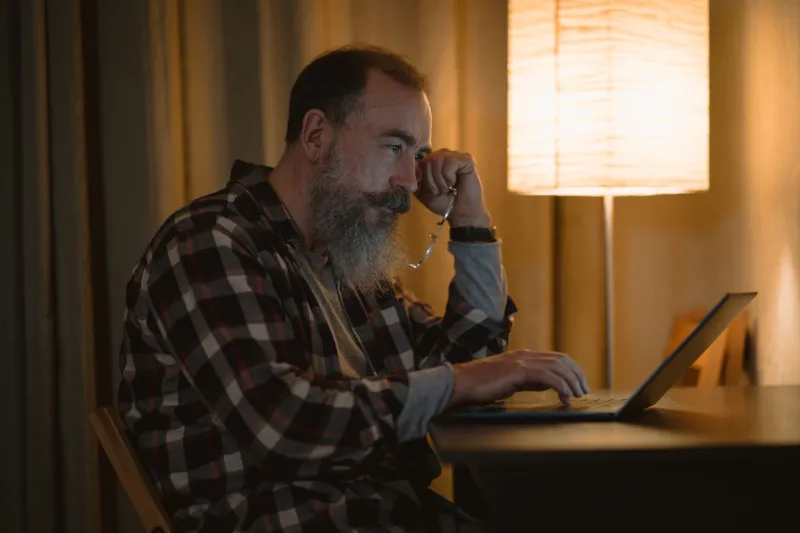
There's a specific kind of exhaustion that doesn't come from working too hard or sleeping too little. It sneaks up on you somewhere between your third hour of a live stream and the moment you realize you've rearranged your weekend plans — again — so you don't miss a drop. It's the burnout that nobody really talks about because, from the outside, it just looks like fandom.
But for a growing number of viewers, the relationship between devotion and depletion is getting harder to ignore.
The Always-On Illusion
Streaming platforms have built their entire value proposition around accessibility. Your favorite creator isn't just someone you check in on once a week — they're there. Consistent, present, and seemingly inexhaustible. For fans, that availability feels like a gift. For a while, it genuinely is.
The problem is that "always on" doesn't just describe the streamer. Over time, it starts to describe the audience, too.
When a creator goes live five or six times a week, drops Discord messages between streams, posts TikTok clips, and sends out subscriber-only newsletters, the cumulative content load becomes a part-time job to keep up with. And unlike an actual job, there's no clock-out time. Miss a stream and you feel it. Skip a week and the parasocial thread you've spent months weaving starts to feel frayed.
That low-grade anxiety? That's not a quirk. That's the system working exactly as designed.
What Parasocial Actually Means (And Why It Matters)
The term "parasocial relationship" has been floating around pop psychology circles for years, but it's taken on new weight in the streaming era. It describes the one-sided emotional bond a viewer develops with a creator — where the audience member feels genuine connection, loyalty, even affection, while the creator simply doesn't know they exist.
That asymmetry is baked into the format. And for most casual viewers, it's totally fine. You watch, you laugh, you move on.
But for superfans — the ones who subscribe at the top tier, who show up to every stream, who know the creator's coffee order and their dog's name and the story behind that scar on their left hand — the emotional investment is categorically different. These viewers aren't just consuming content. They're maintaining a relationship in their own heads, complete with the highs, the lows, and the emotional labor that comes with it.
Researchers who study media consumption have noted that highly parasocial relationships can trigger the same neurological reward pathways as real friendships. Which sounds flattering until you realize it also means the same pathways for loss, rejection, and grief.
The Subscription Trap
Here's where it gets financially complicated. Most major streaming platforms have tiered subscription models that essentially monetize proximity. Pay more, get more access. Behind-the-scenes content, members-only chats, early stream notifications, the occasional shoutout.
For superfans, these tiers aren't just perks — they're identity markers. Being a top-tier subscriber signals something about who you are in that community. It's social currency with a literal price tag attached.
The trap is subtle. Once you're paying for that level of access, the emotional stakes go up. You've made a financial commitment that reinforces the psychological one. Stepping back feels like abandoning something you've invested in, not just emotionally but materially. The sunk cost fallacy doesn't care that you're just watching streams.
And creators — many of whom are genuinely good people who care about their communities — aren't always aware of the weight their most devoted fans are carrying. From their side, engagement looks like enthusiasm. From the fan's side, it can quietly become obligation.
The Burnout Curve Nobody Warns You About
Talk to anyone who's gone from superfan to completely disengaged and you'll notice a pattern. It rarely happens suddenly. There's a long plateau where everything feels fine — great, even — followed by a period of subtle friction that's easy to dismiss. Streams feel a little longer than they used to. The community chat starts to feel overwhelming. You find yourself watching the VOD instead of showing up live, which makes you feel vaguely guilty, which makes you like it less.
Then one day, you just... don't open the app.
Psychologists who study fan communities sometimes call this the "emotional investment curve" — the idea that engagement deepens gradually but can collapse quickly once a threshold is crossed. For streamers, the fans most likely to hit that threshold aren't the casual viewers. They're the ones who were most invested to begin with.
It's counterintuitive but consistent: the more someone cares, the harder the eventual burnout tends to land.
Why the Most Dedicated Fans Often Disappear First
There's a painful irony at the center of all this. The viewers who build communities, who moderate chats, who recruit new subscribers, who show up at 2 a.m. because their favorite creator decided to go live on a whim — these are the people most at risk of burning out completely and walking away.
Part of it is simple math. High engagement means high exposure means high emotional load. But part of it is something more specific to the parasocial dynamic: when you've invested that much in a relationship that only exists on one side, any disruption hits differently.
A creator goes through a personal rough patch and pulls back from streaming? A superfan feels it like a friend went quiet. A creator shifts their content direction? It can feel like a betrayal, even when it's entirely reasonable. The creator doesn't owe their audience stasis — but the fan's nervous system doesn't always get that memo.
What Healthier Fandom Actually Looks Like
None of this is an argument against loving a creator's work. Live streaming, at its best, is genuinely electric — there's something irreplaceable about watching someone perform, create, or just be in real time, and sharing that moment with a community of strangers who feel it too. That's the whole magic of the format.
But there's a difference between enjoying that magic and outsourcing your emotional life to it.
Some fans are starting to figure this out on their own — setting limits on how many creators they follow closely, treating streams like a fun thing to catch when they can rather than a commitment to honor, and being honest with themselves when a parasocial relationship starts to feel more draining than energizing.
Creators who are paying attention are starting to pick up on it too. The ones who actively encourage their audiences to take breaks, who don't guilt-trip people for missing streams, who remind their communities that real life comes first — they tend to build audiences that stick around longer without burning out as fast.
Go figure: treating your fans like actual humans turns out to be good for everyone.
The Bottom Line
Streaming culture has built something genuinely new — a form of entertainment that blurs the line between performance and relationship in ways that feel intimate and immediate. That's exciting. It's also, for some viewers, a little dangerous.
If you've ever felt weirdly tired after a streaming binge, or anxious about missing a live drop, or quietly guilty for not engaging enough with a creator who doesn't know your name — you're not broken. You're just navigating something the entertainment industry hasn't fully figured out yet.
The stream will still be there. So will you. But taking care of yourself first isn't a betrayal of the community. It's the only way to actually stay in it.