Broken and Bankrolled: How Streamers Who Show Their Cracks Make More Money
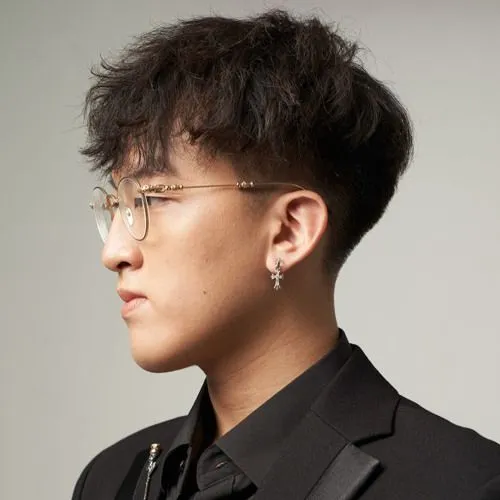
Photo: Ntvd, CC BY-SA 4.0, via Wikimedia Commons
There's a moment that happens on live streams — you've probably seen it — where a creator just kind of... breaks. Maybe they start crying mid-broadcast. Maybe they admit they haven't slept in three days. Maybe they vent about a sponsor falling through, or open up about a mental health spiral they've been quietly navigating. And then something wild happens: the donation notifications start piling up.
It feels counterintuitive. Shouldn't polished, professional, put-together content be what draws money? Shouldn't audiences reward competence? Apparently not — or at least, not exclusively. Across platforms like Twitch, YouTube Live, and TikTok, there's a growing pattern suggesting that when creators get genuinely real, their audiences get genuinely generous. Call it the parasocial paywall: the more emotionally exposed a streamer becomes, the more financial support tends to flow their way.
Why Realness Reads as Trustworthiness
Human beings are wired to detect authenticity. We've spent thousands of years reading faces, tones, and body language for signs that someone is being straight with us. In a media landscape absolutely saturated with curated content, brand deals, and highlight reels, a live streamer who admits they're struggling stands out like a raw nerve — and our brains respond accordingly.
When someone appears vulnerable, we instinctively perceive them as more trustworthy. They're not selling us something (or at least it doesn't feel that way). They're just being human. And in that moment, the transactional layer of the creator-audience relationship temporarily dissolves. You're not watching a content creator anymore — you're sitting with a person who's having a hard time.
Psychologists describe this through the lens of parasocial relationships: the one-sided emotional bonds audiences form with public figures. What's interesting about live streaming specifically is that it accelerates and intensifies these bonds. There's no editing, no safety net, no second take. When a streamer cries on camera, you're watching it happen in real time. That immediacy makes it feel shared, even if you're just sitting in your bedroom in Ohio watching on your laptop.
The Economics of Emotional Investment
Here's where it gets genuinely fascinating from a money standpoint. Research into charitable giving and economic decision-making consistently shows that people donate more when they feel a personal connection to a cause or individual. Live streaming taps into exactly the same psychological triggers.
When a streamer shares that they're struggling to pay rent, or that they're dealing with anxiety, or that a family situation has completely derailed their content schedule, viewers don't just feel sympathy — they feel implicated. Like, this person has let me into their world, and now I have a stake in what happens to them. Suddenly hitting that subscribe button or throwing a few bucks in a donation isn't just supporting content. It feels like helping a friend.
Smaller, independent streamers have figured this out, sometimes accidentally. A creator who hits a rough patch and talks about it on stream will often see a significant spike in financial support — not because audiences are being manipulated, but because the emotional stakes just got real. The content stopped being entertainment and started being something closer to community.
The Line Between Authentic and Exploitative
Of course, there's a darker side to all of this, and it's worth naming directly. Once creators recognize that vulnerability generates revenue, the temptation to perform vulnerability — rather than actually experience it — becomes real. Audiences are pretty good at sniffing out manufactured distress, but not always. And when a streamer fakes a breakdown or exaggerates hardship for donations, it erodes the exact thing that made the dynamic valuable in the first place: genuine trust.
Long-term, the streamers who benefit most from emotional openness are the ones who treat it as an extension of their authentic selves, not a monetization strategy. There's a significant difference between a creator who talks about their mental health struggles because they want connection and community, and one who schedules a tearful moment strategically before a subscription drive.
Viewers may not always catch it in the moment, but over time, they do. Communities that form around genuinely authentic creators tend to be more loyal, more engaged, and frankly more sustainable than those built around manufactured drama.
Mental Health Content Is Reshaping the Live Entertainment Economy
One of the more significant shifts happening in the creator economy right now is the normalization of mental health conversations in live content. Streamers talking about depression, burnout, anxiety, and ADHD have moved from niche corners of the internet into mainstream streaming culture. And the financial infrastructure has followed.
Platforms have introduced features that allow fans to support creators in ways that feel more personal — monthly memberships, exclusive community channels, direct messaging tiers. These tools didn't exist primarily because of the vulnerability trend, but they've been supercharged by it. A fan who feels like they have a genuine relationship with a creator is far more likely to pay for a closer seat at the table.
For independent live entertainers — musicians, comedians, gamers, artists, educators — this represents a real alternative to chasing algorithmic virality. You don't need a million followers if you have a few thousand people who genuinely care whether you're okay. That's a community, and communities spend money.
What This Means for the Future of Live Streaming
The parasocial paywall isn't going anywhere. If anything, as mainstream entertainment gets more polished and more algorithmic, the appetite for raw, unfiltered, human content is going to grow. Live streaming is the only medium that truly can't be faked in real time — and that's its superpower.
For creators navigating this space, the takeaway isn't "manufacture drama for dollars." It's more nuanced than that. The streamers who are building real, lasting income from emotional authenticity are the ones who've made a genuine trade: they've offered their real selves to their audience, and their audience has responded by showing up financially in return.
That's not a parasocial relationship anymore. That's something closer to community — messy, complicated, and apparently worth paying for.