Right Place, Right Stream: How Timing Is Quietly Outranking Talent on Live Platforms
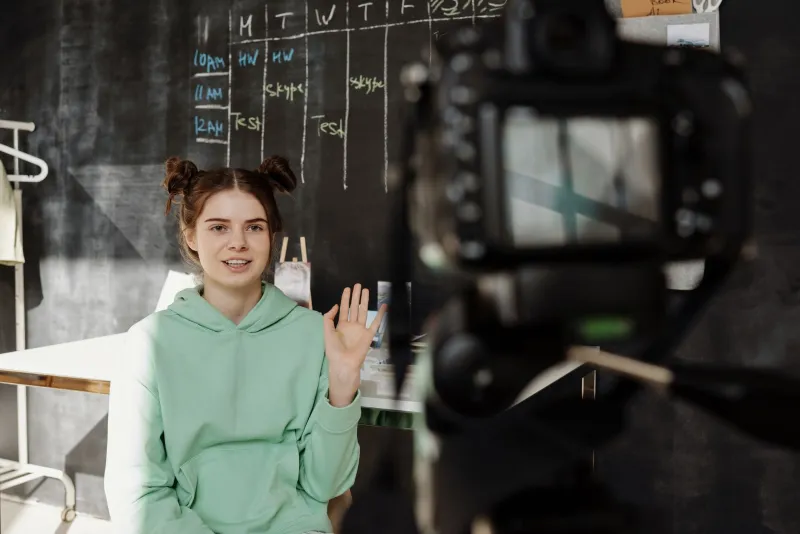
Imagine spending six months learning audio mixing, building a lighting rig out of your spare bedroom, and grinding through hours of content creation — only to watch a guy with a laptop camera and zero production value blow past your follower count in a single weekend. If you've spent any real time in the live streaming world, this scenario probably doesn't sound like fiction. It might sound exactly like your life.
Here's the thing nobody wants to say out loud: the algorithm doesn't care how good you are. It cares about when you showed up.
The Invisible Traffic Light Running Your Career
Every major live platform — Twitch, YouTube Live, TikTok Live, Instagram Live — runs on recommendation engines that are constantly making micro-decisions about which streams to surface, promote, and push into discovery feeds. These systems factor in things like concurrent viewership momentum, chat activity rates, and — critically — whether a creator is live during a window when the platform is actively trying to fill viewer attention.
That last part is where timing enters the picture in a way most creators wildly underestimate.
Platforms experience what you might call "algorithmic hunger" — moments when there's more viewer demand than available content being actively promoted. Late Sunday evenings. The two hours after a major cultural event ends. Weekday mornings when a trending topic spikes but established creators haven't woken up yet. When a creator goes live during one of these windows, the algorithm essentially has no choice but to serve them up. The supply is low. The demand is there. You get fed to audiences who wouldn't have found you in a million years of normal broadcasting.
The Streamers Who Caught Lightning in a Bottle
There are documented cases all over streaming communities of creators who went from obscurity to overnight recognition without any meaningful change in their content quality. A Twitch variety streamer in the Midwest started averaging 800 viewers after spending two years stuck in the 40-60 range — the only thing that changed was shifting his broadcast window from 9 PM Eastern to 6 PM Pacific, accidentally landing him in a sweet spot where gaming content was undersupplied on a Tuesday evening.
On TikTok Live, the pattern is even more dramatic. Creators have reported going from triple-digit sessions to five-figure viewer counts simply because they went live during a breaking news cycle when the platform was funneling massive traffic and their category happened to be adjacent to trending content. One cooking streamer in Atlanta described going live on a whim during a major weather event — people stuck at home, bored, scrolling — and picking up 40,000 followers in 72 hours. Her content hadn't changed. The moment had.
None of this is to say these creators weren't talented. Many of them absolutely were. But talent was the floor, not the ceiling. Timing was the elevator.
What This Means for Creators Who Bet on Craft
This creates a genuinely uncomfortable tension in the creator economy. There's a whole culture built around the idea that quality wins — that if you put in the reps, sharpen your presentation, build genuine community, the audience will come. And that's not entirely wrong. Craft matters for retention. Once someone finds you, your skill level determines whether they stick around.
But discovery? That's a different game entirely.
Creators who invest heavily in production quality but ignore broadcast scheduling are essentially building a beautiful restaurant in the wrong neighborhood and wondering why nobody's walking through the door. Meanwhile, someone with a folding table and a ring light who obsessively studies platform analytics and adjusts their schedule week by week is getting seated audiences who never would have clicked otherwise.
The creators who figure this out fastest tend to treat their schedule like a product in itself. They track when their existing viewers are most active. They monitor when competing creators in their niche go offline. They pay attention to cultural calendars — sports seasons, holidays, TV premiere nights — and position themselves around the gaps those events create.
It's less romantic than honing your craft. But it works.
The Skill Nobody Talks About
Here's a reframe worth sitting with: maybe timing is a skill. Just not the kind that gets celebrated in creator advice content.
Reading platform behavior, understanding viewer psychology around when people are most likely to be scrolling and emotionally available, and having the discipline to show up consistently during those windows — that takes real work. It's just not the kind of work that makes for a satisfying YouTube thumbnail. "I studied platform traffic patterns for three months" doesn't go viral the way "I went from 0 to 100K with this one trick" does.
But the creators who treat timing as a learnable discipline — rather than a lucky accident — are the ones who tend to build momentum that compounds. They get the algorithmic push, they convert those new eyeballs with actual quality content, and then they have a larger base to work from the next time they catch a favorable window.
The streamers who dismiss timing as luck and double down purely on craft often find themselves in a frustrating loop: great content, modest growth, wondering why the algorithm isn't rewarding their effort.
The Honest Takeaway
None of this means you should stop caring about what you're actually putting out into the world. Boring, low-effort content won't hold an audience even if the algorithm drops a thousand new viewers in your lap. But the fantasy that pure talent will eventually get discovered — that the cream rises to the top on its own — is one of the most expensive myths in creator culture.
The live streaming landscape is too crowded, too competitive, and too algorithmically mediated for passive quality to win. The creators who are growing right now are the ones treating every element of their broadcast as a variable to optimize — including, and maybe especially, the clock.
Your talent gets people to stay. Your timing gets people there in the first place.
Figure out the schedule, then worry about the craft. In that order.