When Better Gear Means Fewer Viewers: The Cruel Irony of Getting Too Good at Streaming
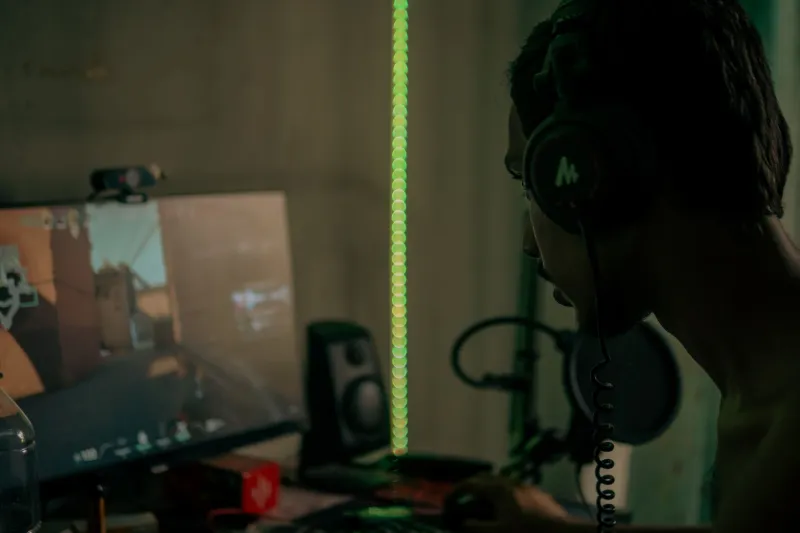
Somewhere between buying a $400 microphone and setting up a three-point lighting rig, a lot of streamers make the same quiet mistake. They think they're leveling up. What they're actually doing is slowly sanding off the thing that made people show up in the first place.
It sounds backwards. It is backwards. But spend enough time watching live streaming culture evolve, and you'll start to notice a pattern: the more polished a stream looks, the less it often feels like something worth sticking around for.
The Bedroom Was Never the Problem
There's a reason early streaming audiences fell hard for creators who were clearly just winging it. The laundry pile visible in the corner. The roommate walking through the shot. The moment the cat knocked over the drink and the streamer spent five minutes cleaning it up while still somehow keeping the chat entertained.
None of that was a bug. It was the feature.
Live streaming, at its core, is a medium built on presence — not production. The whole reason people tune in over pre-recorded content is the feeling that anything could happen right now, in real time, and you're there for it. A perfectly lit studio set with a looping branded intro doesn't give you that feeling. It gives you a YouTube video that happens to have a chat box.
Creators who've been around long enough will tell you there's a specific moment they remember — the stream where everything went sideways, the audio cut out twice, they spilled coffee on their keyboard, and somehow that episode ended up being their most-clipped, most-talked-about broadcast of the year. Not because chaos is inherently entertaining, but because it was real. The audience could feel that the person on screen wasn't performing a version of themselves. They were just themselves.
What 'Going Pro' Actually Signals to Your Audience
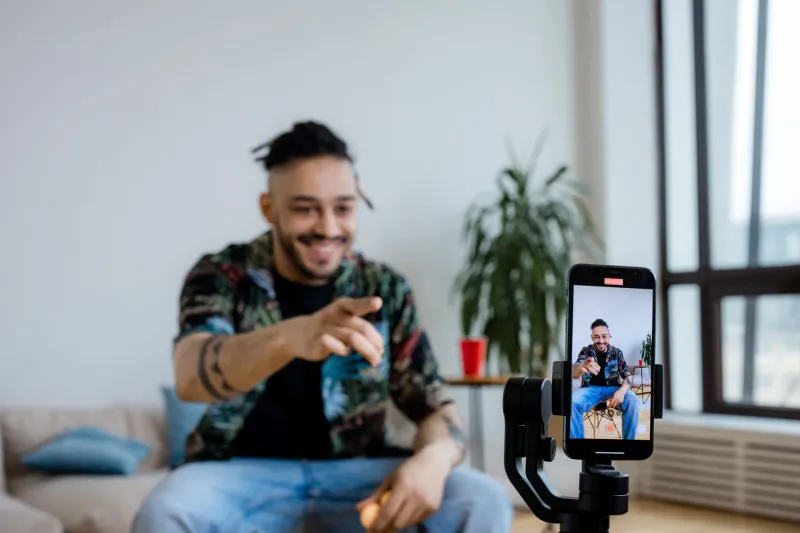
When a streamer upgrades their setup dramatically and fast, something subtle shifts in the viewer relationship. The implicit message changes. Before, the vibe was: I'm just here hanging out, come hang with me. After the studio makeover, the vibe reads more like: I'm a content professional delivering a broadcast experience.
Audiences pick up on that shift even when they can't articulate it. The comments start to feel more like feedback than conversation. The chat slows down. The donations dry up a little. The streamer keeps thinking they just need to tweak the thumbnail or post at a better time, when really the audience is grieving something they lost — the sense of access.
There's a concept in parasocial relationship research sometimes called perceived authenticity, and it's arguably the single most valuable currency a live streamer has. It's not followers. It's not average concurrent viewers. It's the feeling your audience carries around that they know the real you — not a curated version, not a brand, but an actual human being who happens to stream.
Professional production doesn't destroy that overnight. But it chips away at it, slowly, every time the viewer notices the setup looks a little too intentional.
The Creators Who Figured It Out Early
Some of the most successful long-term streamers in spaces like Twitch, Kick, and YouTube Live have talked openly about this tension. The ones who scaled without losing their audience almost universally describe a conscious decision to resist over-polishing.
The pattern goes something like this: they hit a growth milestone, started making real money, reinvested in gear, noticed the energy shift, and then — crucially — made the call to dial it back. Not all the way back to a 480p potato cam, but back to something that felt lived-in. They kept the good mic (because bad audio genuinely does hurt) but ditched the green screen. They stopped scripting their openers. They went back to streaming from the same room where they sleep.
One gaming streamer with a mid-sized but intensely loyal following put it plainly in a community post a while back: "The best thing I ever did for my stream was take down the LED panels. My chat immediately started calling it 'cozy' again. I hadn't realized how much I missed that word in my comments."
Cozy. It's a word that comes up constantly in communities built around live content. It's not a coincidence. Coziness implies intimacy, imperfection, and the absence of performance anxiety. It's the opposite of a broadcast studio.
Where the Line Actually Is
None of this means streamers should deliberately make their content worse. Bad audio is still bad audio, and a stream that keeps dropping frames because of a weak upload connection isn't charmingly rough — it's just frustrating. There's a real difference between technically functional and overly produced, and the sweet spot lives somewhere in between.
The creators who navigate this best tend to think about their setup the same way a musician thinks about a rehearsal space versus a concert hall. You want the acoustics to be good enough that the music lands. You don't want the venue to become the story.
A decent webcam, a microphone that doesn't pick up every car that drives by outside, stable internet — those are table stakes. Everything beyond that is where the calculus gets complicated. Every upgrade is worth asking: does this make the experience better for my audience, or does it make me feel more like a professional? Those are not the same question.
Live Streaming Was Never Meant to Look Like TV
The deepest irony in all of this is that live streaming became a cultural force specifically because it wasn't television. It filled a gap that polished, produced, scripted media couldn't fill — the gap of realness. Of watching someone exist in real time without the safety net of editing.
When streamers chase production value hard enough to close that gap, they're essentially competing with a form of media that has a 70-year head start and billion-dollar budgets. That's not a race worth running.
The streamers who are winning long-term aren't the ones with the best setups. They're the ones who understood, maybe early and maybe after a painful lesson, that the bedroom was never a limitation to overcome. It was the whole vibe. It was the reason people came. And the moment it started looking like a studio, a little piece of the magic — that irreplaceable, real-time, anything-can-happen energy — quietly walked out the door.