The Moment Your Biggest Fan Becomes Your First Goodbye
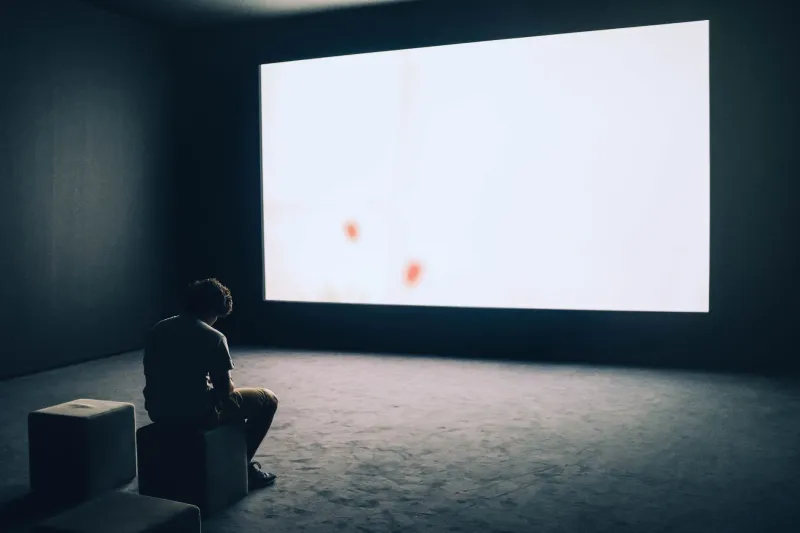
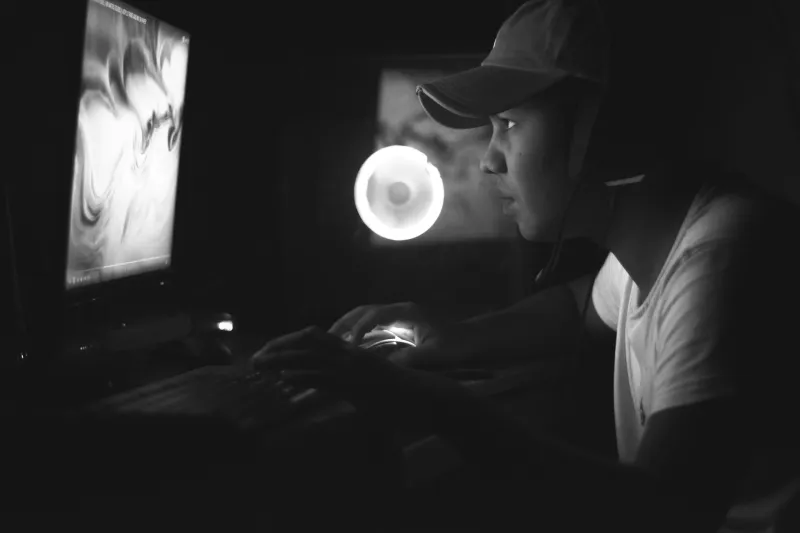
There's a particular kind of silence that streamers dread more than any technical glitch or bad review. It's not the noise of a public callout or a wave of cancellations. It's the quiet exit of someone who used to be everywhere — the viewer who modded your chat, bought every merch drop, and sent you birthday messages you never responded to. One day, they just stop showing up. No drama. No goodbye. Just gone.
And here's the uncomfortable truth: that person didn't leave because they stopped caring. They left because they cared too much, for too long, and eventually ran out of road.
The Intimacy Trap
Live streaming is built on closeness. The format practically demands it. You're watching someone in their bedroom, hearing them react to things in real time, catching their unscripted moments — the frustration, the laughter, the 2 a.m. vulnerability. That rawness is the whole product. It's what separates a stream from a polished YouTube video or a Netflix special.
But that same intimacy creates a specific kind of emotional investment that's hard to find anywhere else in entertainment. Devoted fans don't just watch a streamer — they build a mental model of that person. They track mood shifts. They notice when something seems off. They root for them the way you root for a friend going through something hard.
Psychologists call this a parasocial relationship — a one-sided bond that feels mutual because the streamer speaks directly to the camera, responds to chat, and performs a version of friendship for thousands of people at once. The fan feels known. The streamer, realistically, has no idea who they are.
For a while, that gap doesn't matter. The feeling is real enough. But when monetization enters the picture — and it always does — that gap starts to widen in ways that are hard to ignore.
When the Price Tag Changes the Vibe
Subscription tiers, exclusive Discord servers, paid Q&As, Patreon unlocks, merch collabs — none of this is inherently wrong. Streamers deserve to make a living, and fans generally understand that. But the most devoted viewers aren't just casual consumers. They've already emotionally invested at a level that casual fans haven't. So when the monetization ramps up, they don't experience it the way a new viewer might.
A new viewer sees a paywall and thinks, cool, premium content. A two-year superfan sees it and thinks, I thought we were past this.
That's not irrational. It's actually the predictable result of a relationship that was sold — consciously or not — on the premise of genuine connection. When the vibe shifts from "we're in this together" to "pay to stay close," something breaks. Not loudly. Just quietly, in the background, like a slow leak.
The financial piece is almost secondary. Plenty of superfans have the money and will spend it. What they can't absorb is the feeling that the intimacy they believed in was always, on some level, a product. That realization hits the most loyal viewers hardest, because they're the ones who bought in deepest.
The Burnout Math Nobody Talks About
Fan burnout doesn't usually happen in a single moment. It accumulates. Miss one stream — no big deal. Skip a merch drop — fine. Decide not to renew the Patreon tier — understandable. But string those small withdrawals together and you get a person who has quietly been pulling back for months before they fully disappear.
What accelerates that process is the feeling of diminishing return. Early in a streamer's career, every interaction feels significant. The chat is smaller, the streamer actually reads your messages, and there's a sense that your presence matters. As the audience scales up, that changes. The streamer gets busier. The community gets louder and harder to navigate. The personal feel starts to erode.
For casual fans, that's fine — they were never expecting a real relationship. But for superfans, it registers as a kind of rejection. They gave more, and got less back. And unlike a bad breakup with a real person, there's no conversation to have about it. You can't DM your favorite streamer and say, "I feel like you don't see me anymore." So instead, you just quietly close the tab.
Why Streamers Lose Their Core Right When It Hurts Most
Here's where it gets genuinely painful for creators: the fans most likely to burn out are also the ones who were holding things together. They're the moderators, the consistent tippers, the people who recruit new viewers and defend the streamer in comment sections. When they leave, there's no single visible moment of collapse — just a slow erosion of the community's foundation.
And the timing tends to be brutal. Streamers often ramp up monetization during growth phases — when they're signing sponsorship deals, launching new content tiers, or scaling their brand. That's exactly when the most loyal early fans feel most like they're being left behind. The streamer is leveling up, and the old community that made that possible starts to feel like a relic.
It's not that streamers are doing something wrong, necessarily. Growth requires change. But the cost of that change is rarely calculated honestly, and it's almost always paid by the people who cared the most.
What Actually Keeps People Around
The streamers who manage to hold onto their core audiences through growth tend to share a few habits. They find ways to acknowledge longevity — even small gestures, like recognizing a longtime viewer in chat, carry disproportionate weight. They're transparent about the business side of things rather than letting it feel like a slow reveal. And they resist the urge to make every interaction transactional, keeping some part of the experience genuinely free and open.
None of that is easy at scale. But it's the difference between a community that grows with you and one that gets left behind.
The most devoted fans aren't looking for perfection. They're looking for evidence that the connection they felt was real — that it wasn't just a clever content strategy dressed up as friendship. When they find that evidence, they stay. When they stop finding it, they go.
And they rarely come back.
The Stream Remembers Even When the Chat Forgets
There's something bittersweet about the way live streaming works. Every moment is technically ephemeral — gone as soon as it happens, replaced by the next one. But the emotional residue sticks around. Fans carry those moments with them long after the VOD expires.
The ones who walk away aren't leaving because they're fickle. They're leaving because they remember exactly what it felt like when the stream was something special — and they can feel the distance between that memory and what it's become.
That gap is the real parasocial paywall. And no subscription tier can close it.