Clipped, Shared, Forgotten: The Second Audience That's Actually Running Your Channel
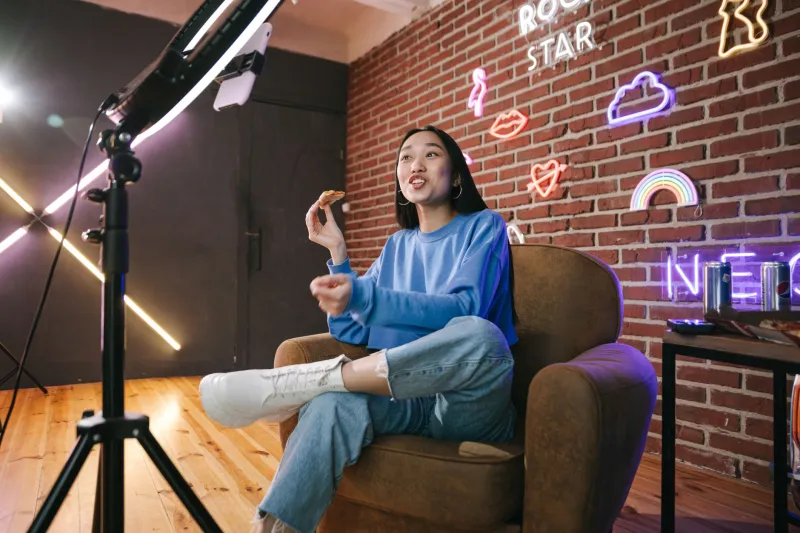
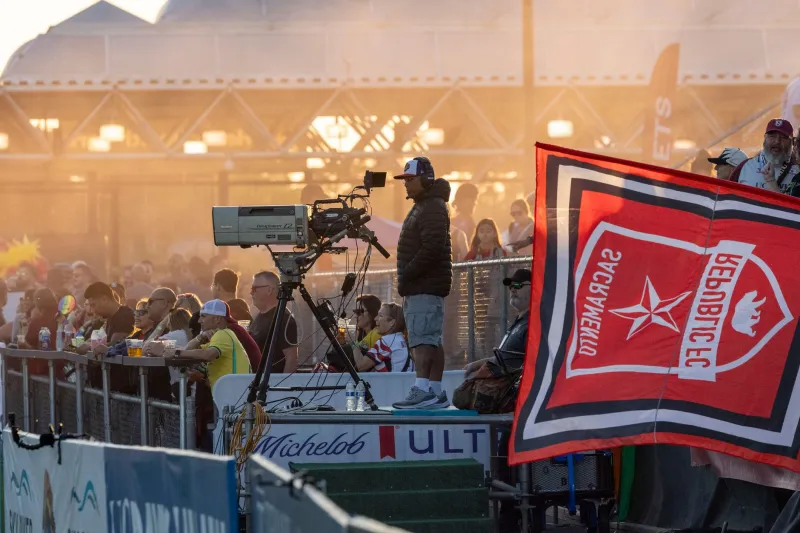
You spent four hours going live. You were funny, you were raw, you were on. Forty people watched. Then someone clipped twelve seconds of it, posted it to Twitter, and three hundred thousand people saw your face for the first time.
Welcome to the weird math of modern streaming.
The Broadcast You Didn't Know You Were Making
Here's the thing nobody tells you when you first go live: the stream itself is almost never the product. It's more like a rehearsal — one that happens to get recorded, chopped up by strangers, and redistributed across half the internet while you sleep.
That's not a knock on live content. Live streaming is still where the magic happens, where the community breathes, where the unscripted moments that define a creator's identity actually occur. But the reach? The actual growth? That almost always happens somewhere else, in a format you didn't design, for an audience you never performed for.
Call them the second audience. They found you through a Reddit thread, a TikTok compilation, a YouTube "best moments" video assembled by a fan account you didn't even know existed. They've watched you dozens of times and never once hit that "Join Stream" button.
Why the Algorithm Doesn't Care What You Intended
Platform algorithms — whether we're talking TikTok, YouTube Shorts, or even Twitter's video recommendations — are optimized for retention and engagement, not context. They don't care that the clip of you losing your mind over a video game was moment 147 of a four-hour broadcast. They care that it made people stop scrolling for eleven seconds.
That's a fundamentally different performance contract than what live streaming demands. When you go live, you're building intimacy, consistency, and community over long stretches of time. When the algorithm picks up your content, it's making a split-second bet on a single moment's ability to hook a stranger.
The cruel irony is that those two goals can work against each other. The streamers who are most beloved by their live communities — the ones who build deep, slow-burn relationships with regulars — aren't always the ones whose clips travel the farthest. Virality rewards the unexpected, the extreme, the emotionally immediate. Your Tuesday night chill stream might be everything to your core twenty viewers and completely invisible to the algorithm.
The Creator Who Plays Both Games
Some streamers have figured out how to feed both audiences without betraying either one. It's not about manufacturing fake moments — audiences, both live and async, can smell that from a mile away. It's about awareness.
Knowing that certain types of content travel better in clip form changes how you structure a stream — not by making it less authentic, but by giving it more shape. Longer context-setting segments, clear emotional arcs, quotable lines that land without four hours of backstory. Think of it less like performing for a live crowd and more like writing a novel that also works as a short story collection.
Some creators go even further, actively curating their own clips and highlights rather than leaving it to chance or fan accounts. They build a secondary content operation around their live streams — not to replace the live experience, but to make sure the best parts survive the algorithm's attention span.
The Fan Who Never Showed Up Live
Here's where it gets genuinely strange. Creators who've been doing this for a while will tell you that some of their most loyal, most engaged followers are people who have never watched a live broadcast. They know the creator's personality, their catchphrases, their inside jokes — all assembled from clips and highlight reels.
That's not a lesser form of fandom. It's a different one. And ignoring it means leaving a massive part of your potential audience completely unaddressed.
The second audience isn't a consolation prize for streams that didn't blow up live. For most creators at most points in their career, the second audience is the audience. It's where discovery happens, where the algorithm does its redistribution work, where a moment from six months ago suddenly finds the right context and explodes.
Rethinking What "Going Live" Actually Means
The mental model most streamers carry — that going live is the main event and everything else is supplementary — might be the single biggest growth bottleneck in the space. It's not wrong, exactly. Live streaming genuinely is the core creative act, the place where authentic connection happens in real time.
But treating the async, algorithmic afterlife of your content as an afterthought means you're only playing half the game.
Your live audience is your community. Your second audience is your future. The streamers who understand that distinction — who create with both in mind without compromising the intimacy that makes live content worth watching — are the ones quietly building something that lasts.
The algorithm doesn't care about your passion. But it will absolutely amplify the twelve seconds where your passion was undeniable. Give it something worth clipping.